
When people hear that an AI company is looking at Texas, the first reaction is usually about politics, taxes, or hype. Those things matter, but they are not the whole story.
AI wants Texas for a simpler reason: AI is becoming infrastructure.
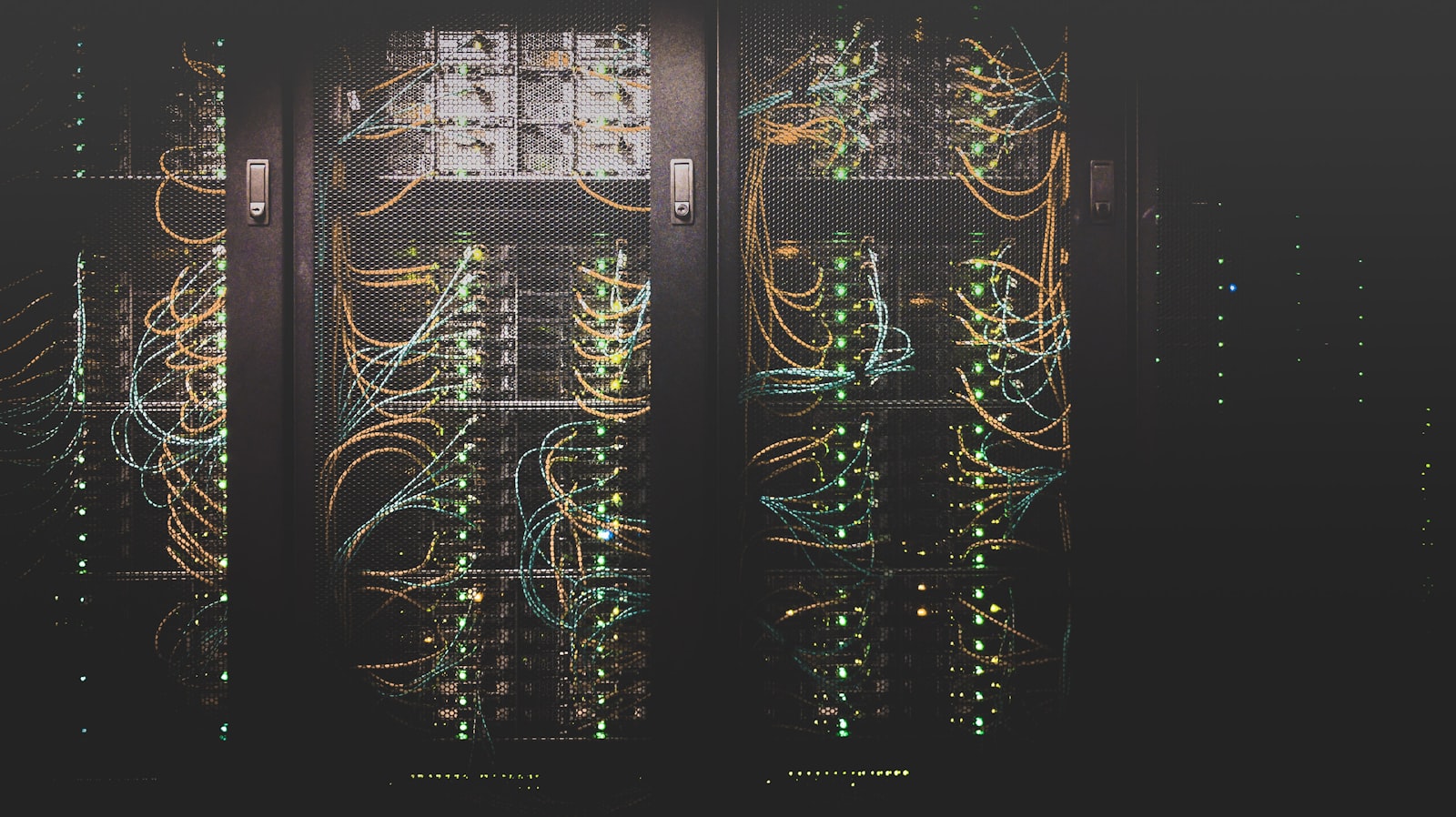
The popular version of AI feels weightless. A chatbot opens in a browser. A business tool summarizes a meeting. A phone app generates an image. But behind every one of those interactions is a physical chain of machines, power systems, cooling equipment, network cables, security teams, backup generators, and land.
The cloud still has to sit somewhere.
That is why the data center debate in Central Texas cannot start with one local project alone. It has to start with the map. Why would companies building billion-dollar computing campuses look at Texas at all? Why would they look beyond Austin and Dallas? And why could smaller cities become part of the conversation even if they are not traditional technology hubs?
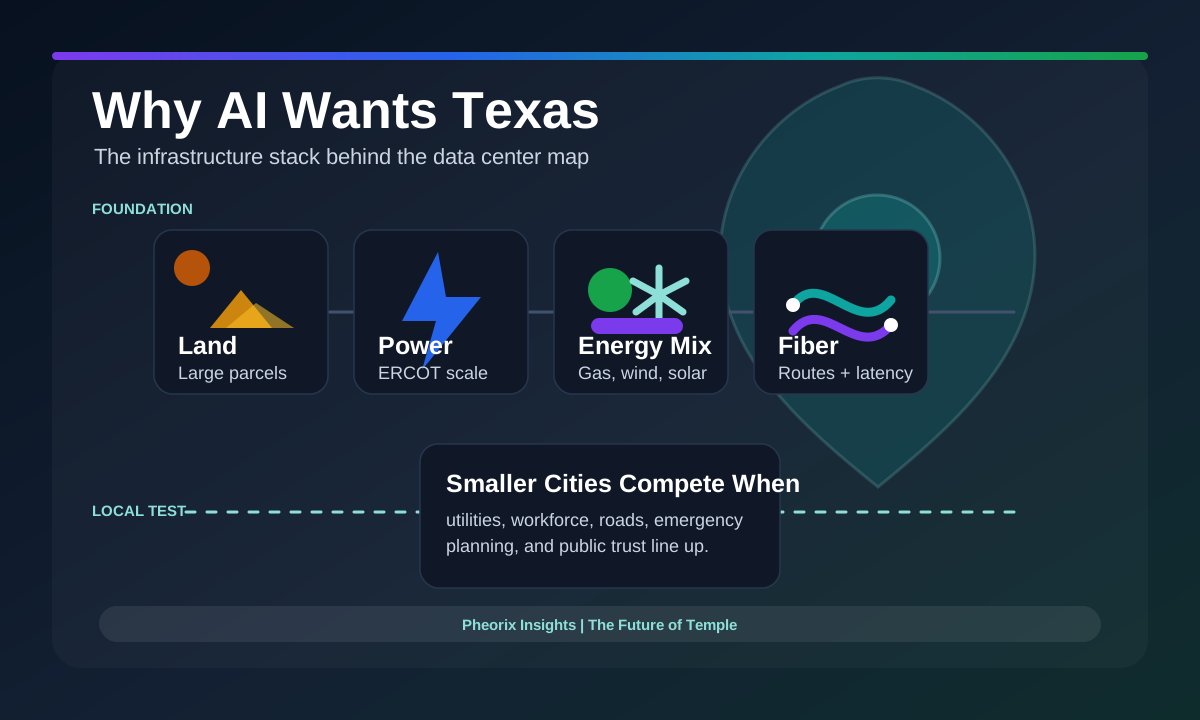
The answer is not one factor. It is the stack.
Texas has land. Texas has an unusually large and flexible power market. Texas has wind, solar, natural gas, battery storage, and a long history of building energy infrastructure. Texas sits in the middle of the country. It has major fiber corridors connecting large metros. It has fast-growing cities, industrial sites, transportation routes, and local governments hungry for tax base.
That combination makes the state attractive. It also makes the public questions harder.
What Is Happening
Data centers are expanding because the internet is becoming more compute-heavy.
For years, data centers supported familiar digital life: websites, email, streaming, cloud backups, business software, maps, payments, school systems, healthcare records, and mobile apps. AI adds a new layer. Training and running modern AI models requires large numbers of specialized chips. Those chips use a lot of electricity and produce a lot of heat. The more AI is built into business software, search, customer service, design tools, coding tools, logistics, healthcare, security, and entertainment, the more companies need places to run those systems.
That demand has become large enough to show up in national energy forecasts. The 2024 Lawrence Berkeley National Laboratory report on U.S. data center energy usage estimated that data centers used about 4.4% of U.S. electricity in 2023 and could rise to between 6.7% and 12% by 2028, depending on growth. The International Energy Agency has also warned that data centers will be a major source of new electricity demand this decade.
Texas is one of the places where that demand is trying to land.
ERCOT, the grid operator for most of Texas, now has a formal large-load process for projects of 75 MW or greater. That alone tells you something important. These are not ordinary commercial buildings. A large AI campus can behave more like a new industrial district than a normal office park.
Recent reporting has shown hundreds of large data center requests seeking connection to the ERCOT grid. ERCOT and state regulators are trying to separate real projects from speculative ones because not every request will become a facility. Still, the signal is clear: developers are looking at Texas at a scale big enough to reshape grid planning.
Central Texas is already part of the wider story. Industry reporting has pointed to rapid growth in the Austin-San Antonio data center market. Dallas remains a major data center and fiber hub. West Texas is drawing attention for large land parcels and energy resources. Between those poles sit smaller cities that may not be famous tech markets, but do have land, highway access, utility corridors, and proximity to growing metros.
That is where places like Temple become interesting.
Why It Is Happening
The first reason is land.
Large data centers do not just need a building. They need room for substations, generators, cooling systems, security setbacks, stormwater handling, future expansion, and sometimes dedicated power infrastructure. AI campuses can require even larger parcels because the power density is higher and the growth plans are more aggressive.
Land is expensive and politically constrained in the most established data center markets. Northern Virginia became the best-known hub because it had network density, customers, skilled vendors, and early momentum. But as that market becomes crowded, companies look for alternatives. They do not only ask where the cheapest dirt is. They ask where large sites can be assembled, permitted, powered, connected, secured, and expanded.
Texas has an answer to the land question in a way many states do not.
The second reason is power.
Electricity is not a side issue for AI infrastructure. It is the main input. Once a company has enough money and enough chips, the next limiting factor is often power availability.
ERCOT is unusual because it operates most of the Texas grid as its own power market. That does not magically make power easy, and it does not mean every project should be approved. But it does mean Texas has a deep energy development culture. Developers, utilities, power producers, regulators, and large industrial users are used to negotiating around big loads.
Texas also has a complicated but attractive generation mix. Natural gas remains central because it can provide dispatchable power when the grid needs it. Wind is already a major part of the Texas energy story. Solar has been growing quickly, especially because it can add daytime supply during hot periods when air conditioning demand is high. Battery storage is increasingly important because it can help shift power from one part of the day to another. ERCOT's Fuel Mix dashboard is useful here because it lets readers see the mix change in real time instead of treating "the grid" as one static thing.
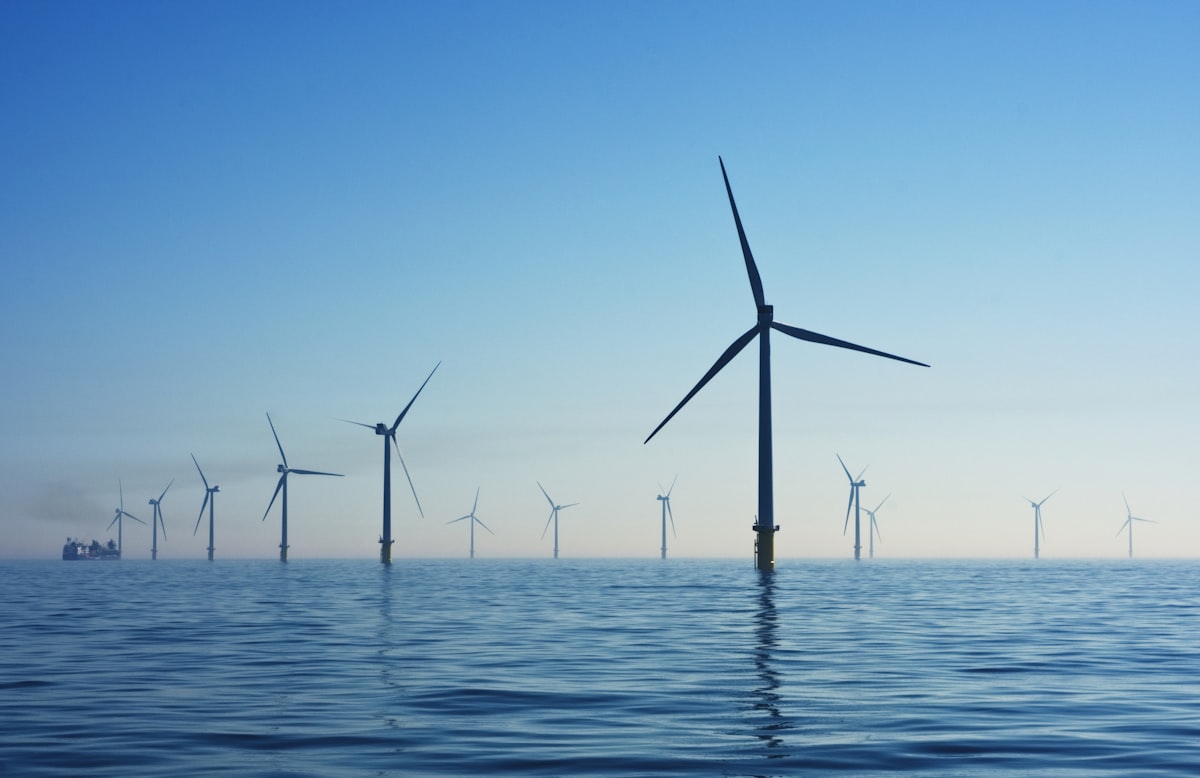
For data center developers, this mix creates options. A project might buy power through the grid. It might contract directly with power producers. It might support new solar or wind projects. It might rely on natural gas for firm power. It might install batteries or backup generation. In some cases, developers may try to bring their own generation because the grid connection process is too slow or uncertain.
That is also where the public concern begins. If a project uses enormous power, residents want to know whether it will raise costs, require new transmission, strain reliability, increase emissions, or shift risk onto everyone else. Those are fair questions. The answer depends on the actual project, the contracts, the interconnection requirements, and who pays for the upgrades.
The third reason is geography.
Texas sits between major population centers, energy regions, ports, military installations, universities, manufacturing corridors, and logistics routes. A data center does not need to be downtown, but it does need to be connected. Fiber routes matter because latency matters. Redundant network paths matter because outages are expensive. Distance to customers, cloud regions, and other data centers matters because modern systems often move workloads across multiple sites.

That does not mean every data center has to be in Austin or Dallas. In fact, once the network is good enough, the best site may be somewhere nearby with cheaper land, fewer conflicts, easier expansion, and a community willing to consider industrial infrastructure.
For Central Texas, that is the key point.
Temple does not need to become Austin to matter.
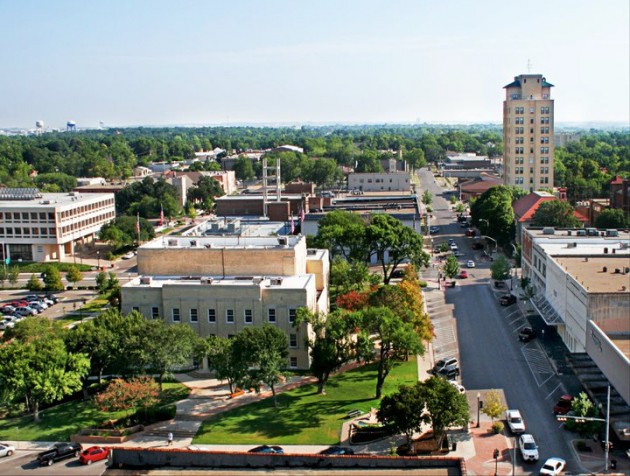
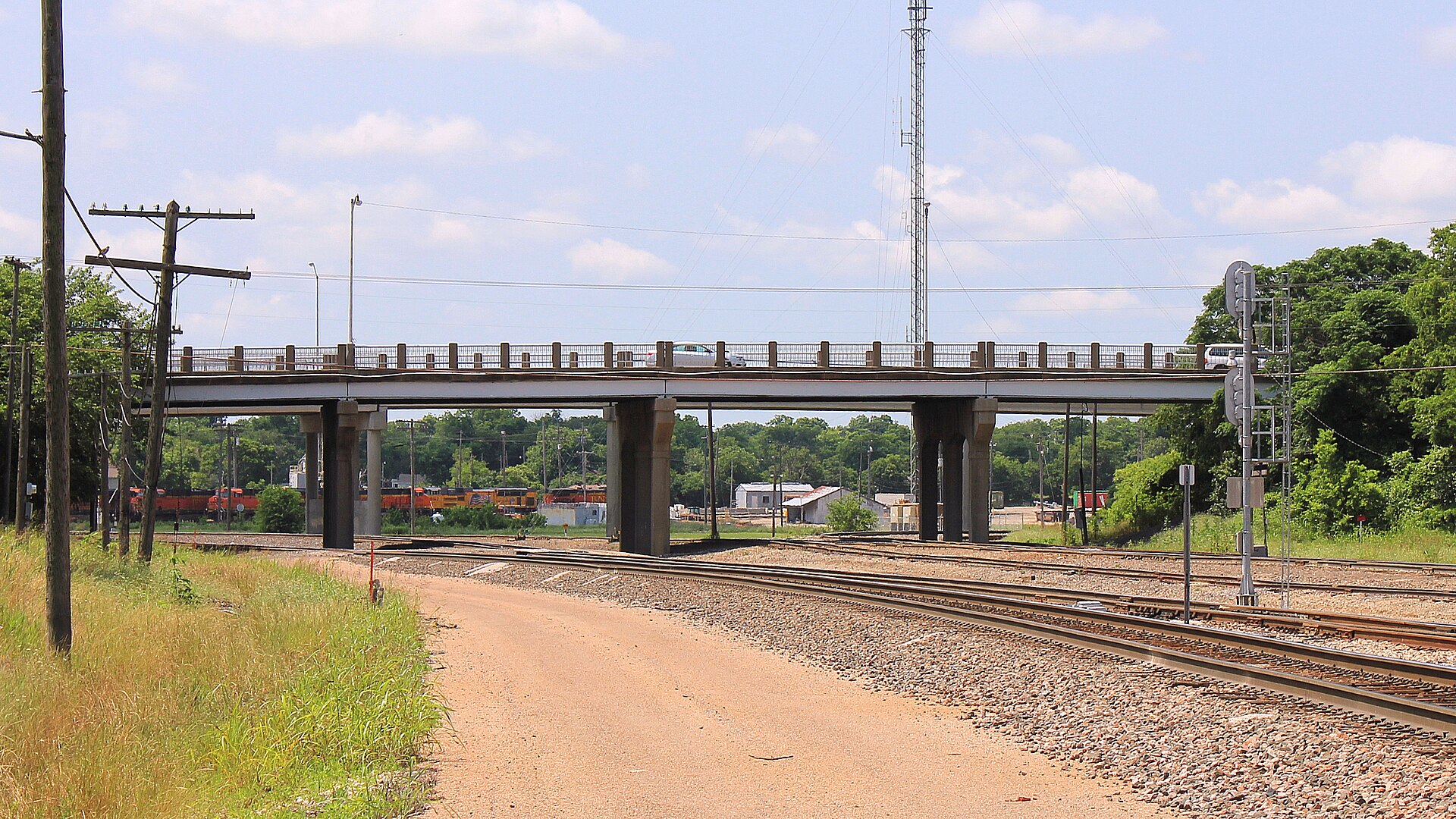
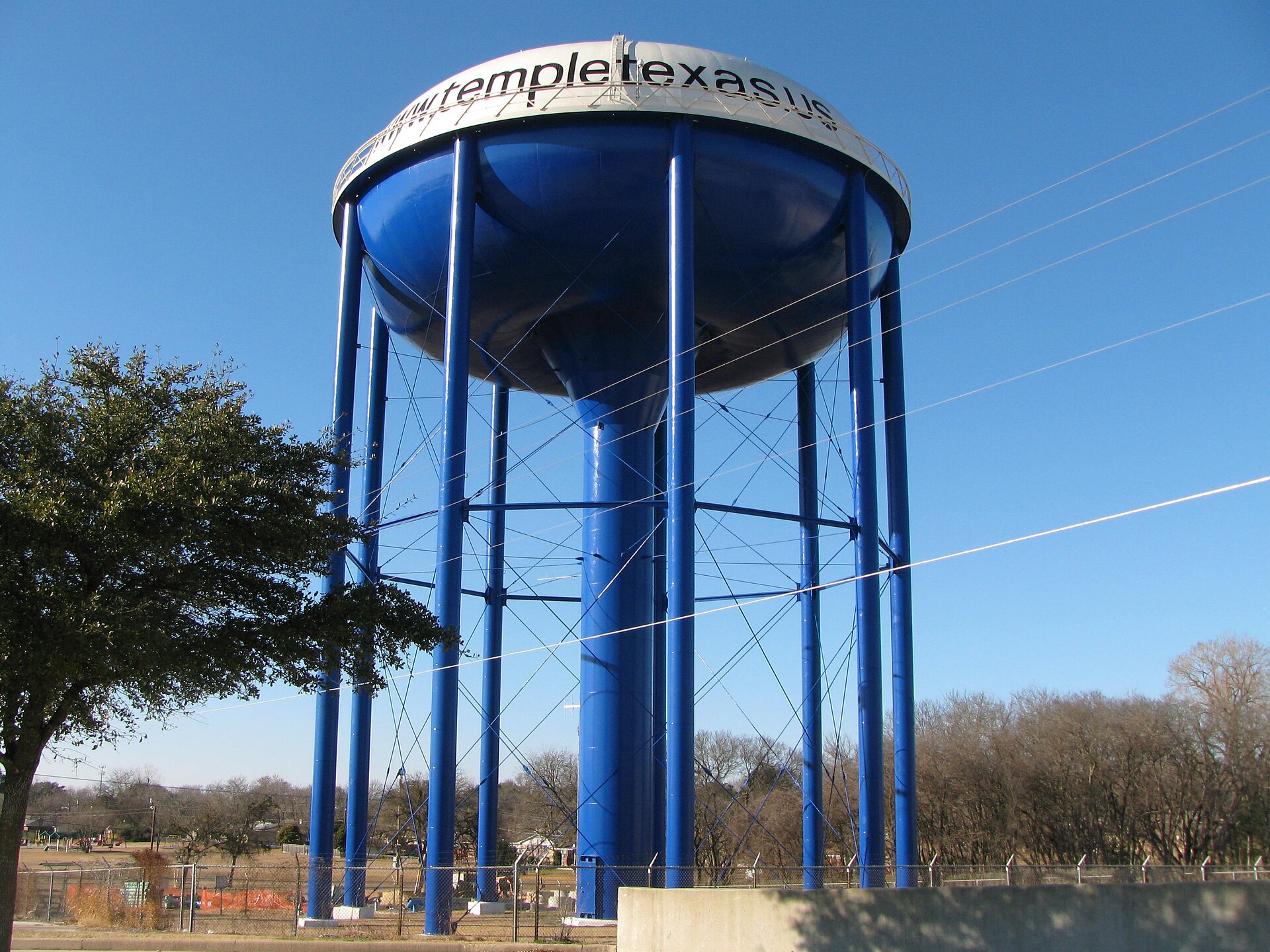
Temple sits along I-35. It is near larger metros without being swallowed by them. It has access to regional workforce pools. It is close enough to the Austin-Waco-Dallas-San Antonio triangle to be legible to companies thinking in regional systems rather than city slogans.
That does not guarantee anything. It simply explains why a smaller city can enter the conversation.
The Tradeoff
The weak argument for data centers is that anything related to AI must be progress.
The weak argument against them is that any large resource user must be bad.
Neither is enough.
A serious city has to ask better questions:
- How much electricity will the project need at each phase?
- Who pays for generation, transmission, substations, and distribution upgrades?
- What happens during grid emergencies?
- Will the facility be interruptible or flexible during peak demand?
- What backup power will be used, and how often will it be tested?
- How much water will be used, from what source, and under what drought rules?
- How many construction jobs and permanent jobs are expected?
- What local contractors, electricians, fiber workers, HVAC firms, security teams, and maintenance providers can participate?
- What roads, drainage, noise, visual, and emergency response impacts need to be planned for?
- What public reporting will residents receive after the ribbon cutting?
Those questions matter because AI infrastructure is not like a normal office recruitment win. It can bring tax base and construction activity, but it can also create long-term utility and land-use commitments. It can make a city more relevant to the next economy, but it can also force that city to answer questions it has never had to answer publicly before.
The question is not whether Texas will be part of AI infrastructure. It already is.
The better question is whether smaller Texas cities will understand their leverage before the deal is already shaped.
What Might Happen Next
Here is the forecast: the next round of competition will not only be between states. It will be between infrastructure-ready communities.
Large metros will keep attracting data centers because they have fiber, vendors, airports, workforce, and existing utility capacity. But smaller cities may compete when they can offer a clear package: land that can actually be assembled, a realistic utility path, road access, emergency response planning, workforce partnerships, and public trust.
That last piece matters more than developers sometimes realize.
Public trust is becoming infrastructure too.
A city that cannot explain the water plan will struggle. A city that cannot explain who pays for power upgrades will struggle. A city that hides behind vague economic development language will struggle. A city that treats residents like obstacles instead of stakeholders will struggle. Even if a project gets approved, the long-term relationship can become brittle.
The cities with the best chance will be the ones that can say:
- Here is what we know.
- Here is what we do not know yet.
- Here is what the company must prove.
- Here is what the city will require.
- Here is how residents will see performance over time.
That kind of clarity does not mean saying yes to every project. It means having a standard before the pitch arrives.
For Temple and Central Texas, the opportunity is not simply to become a data center market. That is too narrow. The larger opportunity is to become a place that understands modern infrastructure clearly enough to make better decisions than peer cities.
AI companies are looking for land, power, fiber, and speed.
Communities should be looking for accountability, durable tax base, local participation, utility honesty, and a future they can still recognize.
If both sides can answer those questions, smaller Texas cities may have a real role in the next infrastructure map.
If they cannot, the map will still be drawn. It will just be drawn by someone else.
Sources
- Lawrence Berkeley National Laboratory / U.S. Department of Energy, 2024 United States Data Center Energy Usage Report
- International Energy Agency, Energy and AI
- ERCOT Fuel Mix dashboard
- ERCOT Large Load Integration
- Axios Austin, Central Texas data center boom
- Axios Houston, Texas grid braces for record summer demand
Image credits: data center, fiber, wind, and Temple image sources are tracked in the Pheorix image credit files. Several Temple photos are from Wikimedia Commons under Creative Commons licenses.