
Most of the systems a city depends on are easy to ignore when they are working.
You do not see a fiber route when you open a payment app. You do not think about a substation when traffic lights stay green. You do not picture a wastewater plant when a cooling system is running normally. You do not notice monitoring software, backup switching, or network redundancy when the internet feels instant.
That is why so much local technology debate starts in the wrong place.
People argue about a building, a tax incentive, or a headline job number. But the real story usually sits underneath the project. A city does not only approve a visible structure. It ties itself more tightly to a hidden stack of electricity, water, network capacity, operations, and maintenance.
For Temple, that matters even if the city never tries to become a flashy tech hub. Invisible infrastructure is already part of daily life. The only question is whether the public can see it clearly enough to judge what new growth will ask from it.
Facts
The physical footprint behind digital life is growing fast.
Lawrence Berkeley National Laboratory's 2024 United States Data Center Energy Usage Report estimated that data centers used about 4.4% of U.S. electricity in 2023 and projected that share could rise to between 6.7% and 12% by 2028. The International Energy Agency's work on Energy and AI reached the same broad conclusion: AI is turning data centers into a major electricity-planning issue, not just a software story.
Texas is already treating that demand as infrastructure. On June 18, 2026, ERCOT announced that the Public Utility Commission of Texas had approved its Batch Zero process for very large new electricity users. ERCOT's large-load integration rules apply that process to projects of 75 megawatts or greater. That threshold matters because it tells readers what kind of facilities Texas is planning around. These are not ordinary office buildings. They are projects large enough to affect substations, transmission studies, backup systems, and utility timelines.
Temple's own utility structure is a small clue about how layered this already is. The city's Utility Business Office handles billing, meter leaks, water quality contacts, and water or sewer service issues, but the same city site routes street-light issues to Oncor. Even a basic public-works problem can sit across multiple organizations instead of one simple local system.
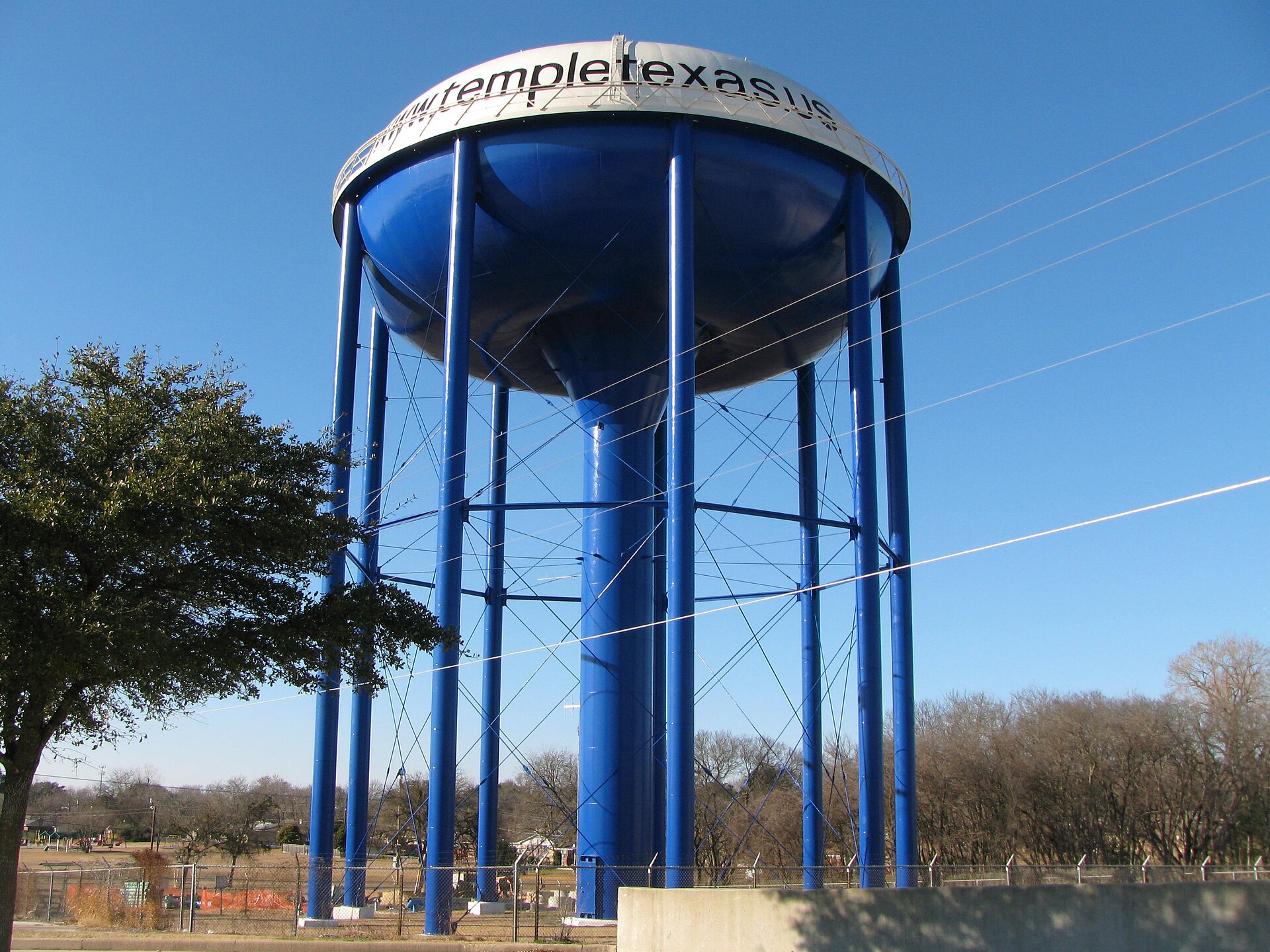
Temple's water chain is regional too. The Brazos River Authority says Temple has contracted with the BRA for municipal water since 1962, contracts for 30,453 acre-feet of water per year drawn from the Leon River downstream from Lake Belton, and has relied on BRA wastewater treatment services since 1975. That means one of the city's most basic systems already depends on upstream contracts, treatment capacity, and regional operations most residents will never see.
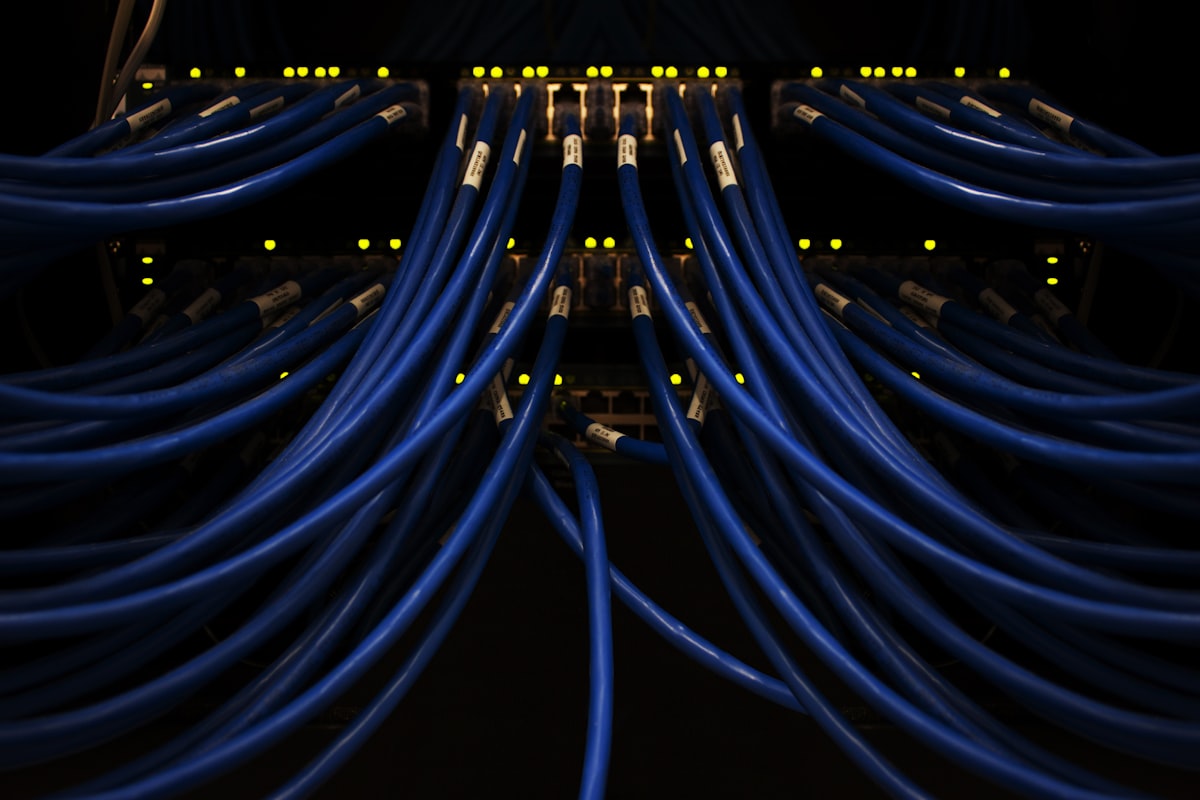
The network layer is just as hidden. Equinix describes Dallas-Fort Worth as a major network peering exchange and communications hub for the South Central United States. In plain English, a lot of the internet capacity that Central Texas businesses and residents rely on is coordinated through facilities and exchanges far away from the neighborhoods using it.
Reliability depends on ongoing operations, not just construction. Uptime Institute's 2026 outage analysis said power remains the leading cause of impactful data center outages, while outages tied to fiber and connectivity issues are becoming more prominent. More than half of respondents said their most recent major outage cost more than $100,000, and one in five said it cost more than $1 million.
Analysis
The useful way to picture invisible infrastructure is as four stacked systems.
The first is the power system. That includes generation, transmission lines, substations, transformers, switchgear, backup power, and the control process that decides how new large loads connect. When readers hear 75 megawatts, they should not imagine a bigger office park. They should imagine a project entering the same planning conversation as other serious industrial loads.
The second is the water and cooling system. Even before a city debates a specific data center cooling design, it already depends on raw-water sourcing, treatment, storage, wastewater handling, drought rules, and maintenance crews. Temple's long-running BRA relationship is a useful local example. The faucet and the bill are local. The underlying system is regional.
The third is the network system. Fiber is not magic. It is route planning, right-of-way, conduit, carrier agreements, repair crews, and interconnection points that most communities do not host themselves. A place like Temple does not need to contain a giant internet exchange to depend on one. It only needs banks, hospitals, schools, retailers, public-safety systems, and employers that expect constant connectivity.
The fourth is the operations system. Monitoring, alarms, failover procedures, maintenance schedules, vendor support, and staff training decide whether a problem becomes a blip or an outage. This is the part cities rarely discuss in public because it sounds boring. It is also the part people meet first when something breaks.
A modern project does not only ask whether a city has land. It asks whether the city and its surrounding utilities can support a chain of dependencies the public mostly notices only under stress.
That is the deeper reason infrastructure debates are changing. For Temple, the practical takeaway is simple: any major digital-infrastructure pitch should be read as a systems question before it is read as a branding question.
- Which part of the power chain has to change first: generation, transmission, substation capacity, distribution, or backup systems?
- What water source is assumed, and how does that fit drought rules, wastewater treatment, and future growth?
- Which fiber routes and interconnection points matter, and how much redundancy actually exists?
- Who is responsible for maintenance, outage reporting, and recovery when a critical dependency fails?
- Which upgrades are paid for by the project, and which costs could be socialized across the broader system?
Forecast
My forecast is that the next serious dividing line between cities will not be who talks the most about innovation. It will be who understands their invisible infrastructure well enough to negotiate from it.
Large digital projects are pushing more communities into questions that used to stay inside utilities, telecom providers, and specialized operators. Temple is unlikely to be the last mid-sized Texas city forced to learn new language about megawatts, redundancy, cooling, backbone fiber, or outage procedures. That language is becoming local-government language.
The cities that handle this well will make hidden systems legible before a crisis forces the lesson. They will ask for clear utility terms, realistic infrastructure timelines, public reporting, and honest explanations of what is local versus regional. They will treat maintenance and resilience as part of the deal rather than as technical footnotes to sort out later.
The cities that handle it poorly will keep debating visible projects while hidden constraints quietly harden underneath them. In that version of the story, residents do not first feel change through ribbon cuttings. They feel it through higher stakes around outages, water stress, construction conflicts, and utility decisions they were never given a clean way to understand.
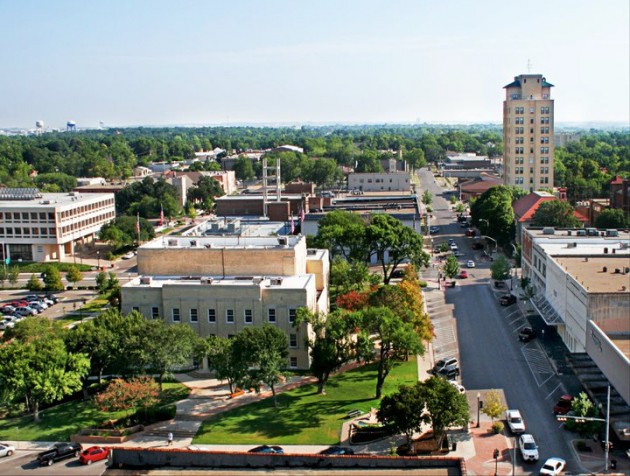
Temple does not need to see every conduit, control room, or exchange point to make better decisions. But it does need to stop pretending the future runs on visible buildings alone.
Sources
- Lawrence Berkeley National Laboratory, 2024 United States Data Center Energy Usage Report
- International Energy Agency, Energy and AI
- ERCOT, "PUCT Approves ERCOT's Batch Zero Process for Connecting Large Electricity Users While Protecting System Reliability for Texans" (June 18, 2026)
- ERCOT, Large Load Integration
- City of Temple, Utility Business Office
- Brazos River Authority, City of Temple resource page
- Equinix, Dallas Metro data sheet
- Uptime Institute, Annual Outage Analysis 2026
Image credits: stock infrastructure photos and Temple photos are tracked in the local Pheorix image credit files. Temple photos are from the existing Commons-based Temple image bank.